Back Lever Progression: How to Learn It Step by Step
A structured guide to learning the back lever, from German Hang to full hold. Covers prerequisites, all progression stages, training schedule, and common mistakes.
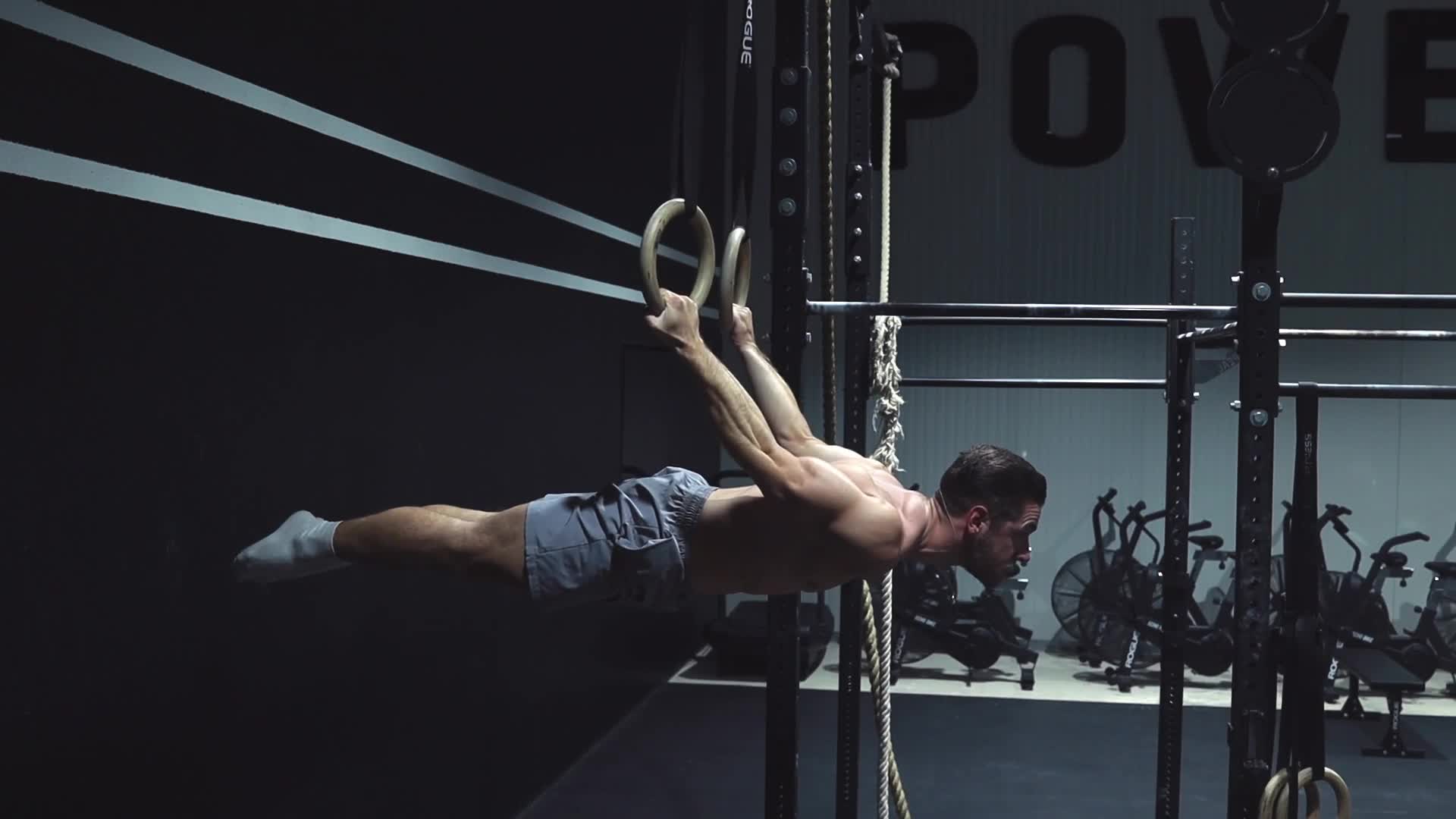
The back lever is one of the most accessible advanced calisthenics statics — and one of the most common skills that athletes try to rush. Done with a structured approach to both strength and mobility, most intermediate athletes can achieve a full hold within 12–18 months.
What Is the Back Lever — and Why Should You Train It?
The back lever is a straight-arm static hold where your body is horizontal and facing the ground, suspended from a bar or rings. It's the most accessible of the advanced calisthenics statics — significantly easier than the front lever or planche — making it the ideal entry point into lever training.
The skill primarily works your anterior deltoids, pectorals, lats, and biceps, which must generate constant tension to maintain the horizontal position. Your core, glutes, and lower back engage as rigid supports. If any of these relax, your hips drop and the position collapses immediately.
Training the back lever isn't just about the hold itself. The shoulder strength and flexibility you develop transfer directly to front lever work, planche, and ring strength. Think of it as foundational infrastructure for every advanced pulling and pressing skill in calisthenics.
One detail that rarely gets mentioned: the back lever loads the elbow tendons and bicep attachments heavily. Tendons adapt much more slowly than muscles — which is why athletes who arrive with strong pull-ups but skip the conditioning phase often develop elbow issues within the first few weeks of training.
Back Lever Prerequisites: Strength and Mobility Checkpoints
Before training the progressions, you need to pass two independent tracks: strength and mobility. Both must be met. Passing one while failing the other means you'll either stall immediately or get hurt.
Strength requirements:
- 5+ strict pull-ups with full range of motion
- 30-second dead hang with shoulders fully depressed
- Skin the Cat with a controlled descent — no crashing into the bottom position
Mobility requirements:
- German Hang held freely with straight arms for 10+ seconds
- Sufficient shoulder extension to bring your arms overhead and behind your body without the chest pulling into a painful stretch
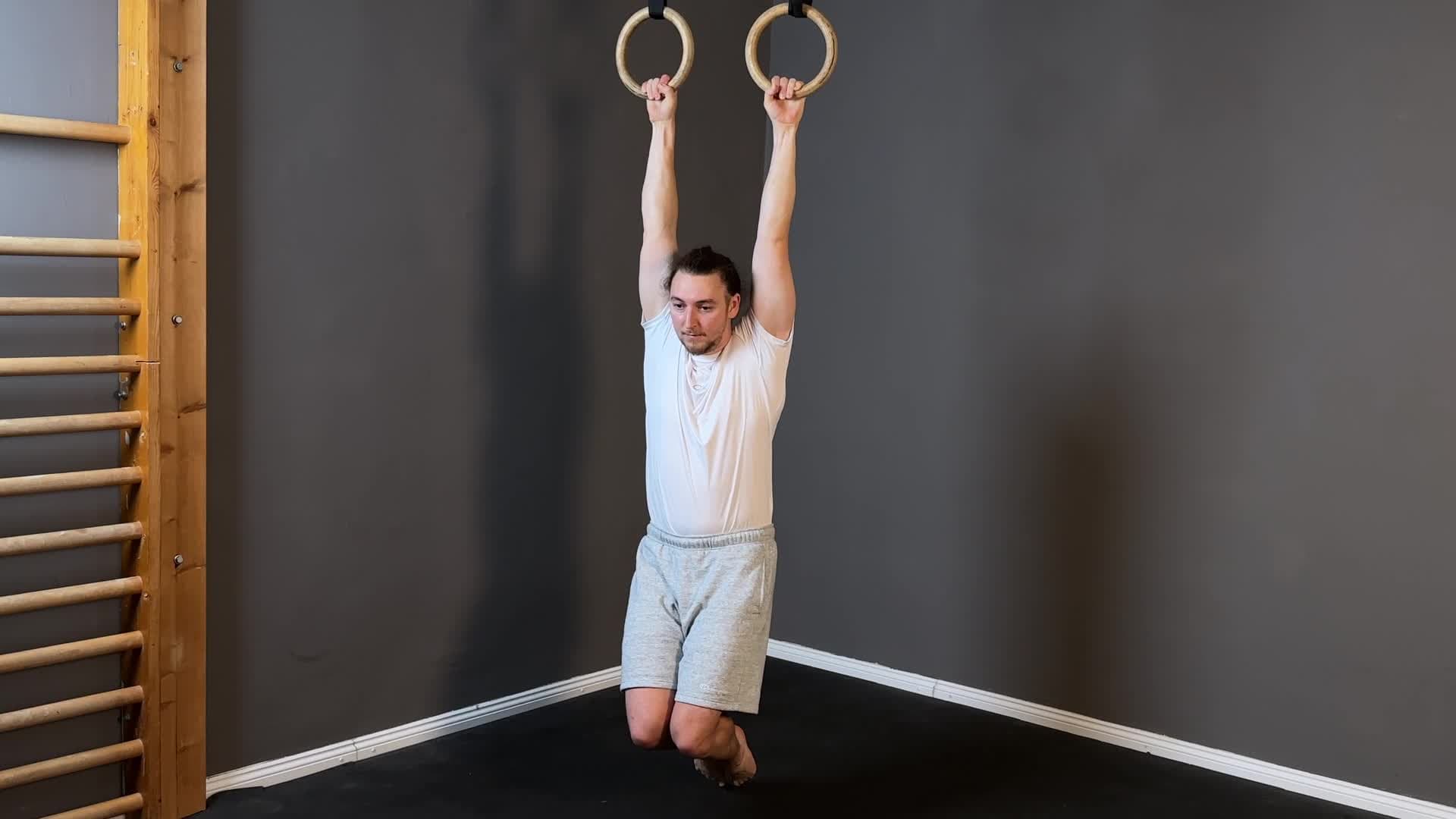
Deadhang Progressions
Grip the bar or rings with a shoulder-width overhand grip, thumb wrapped around. Step off a box to enter the hang, avoid jumping into position
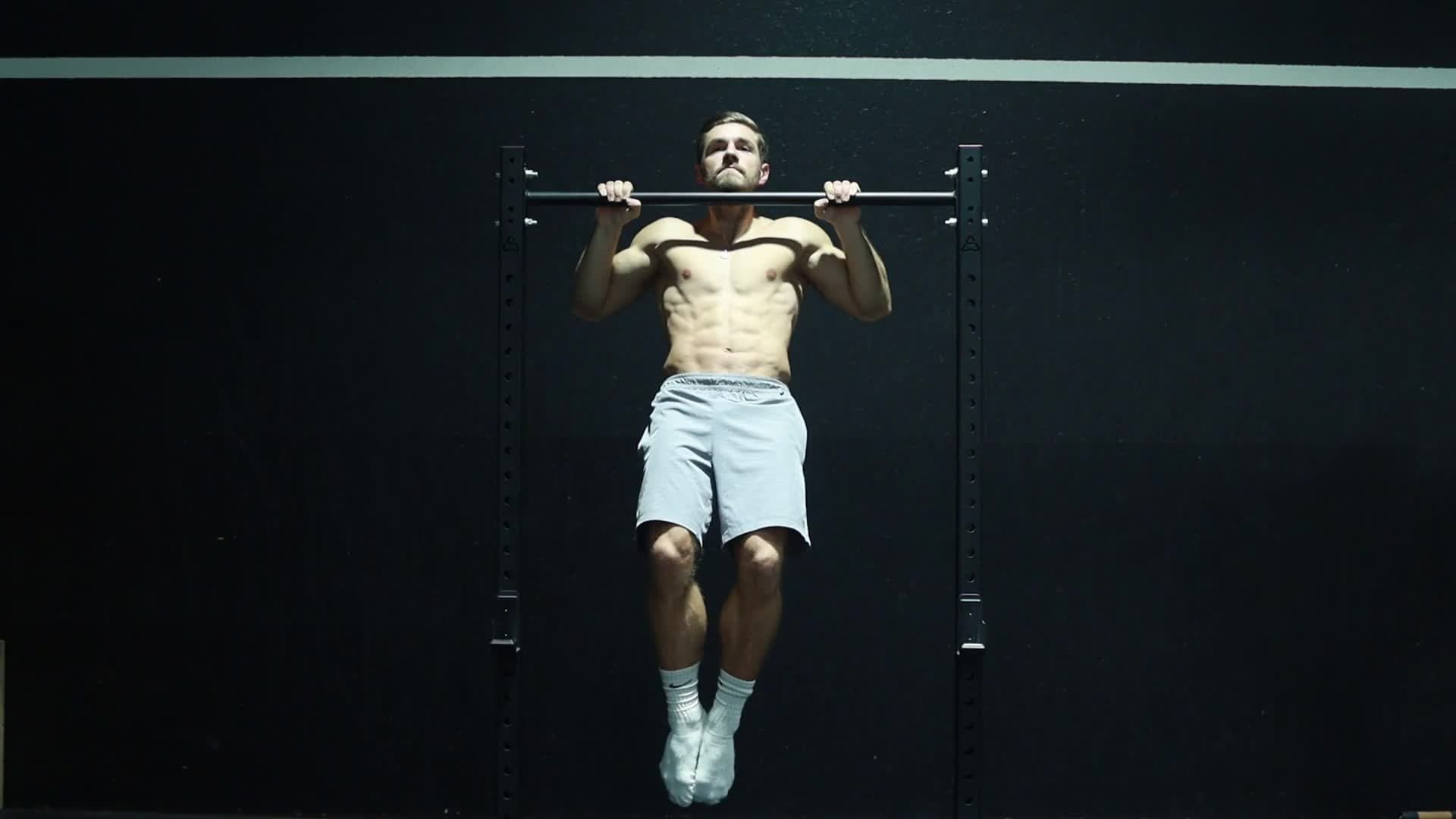
Pull Up Progressions
Start from a dead hang with arms fully extended — use a shoulder-width overhand (pronated) grip. Initiate by depressing and retracting the shoulder blades (scapular pull) before bending the arms
The German Hang is both a test and a training tool. If you can't yet hold it freely, spend 4–8 weeks building up before touching any back lever progressions.
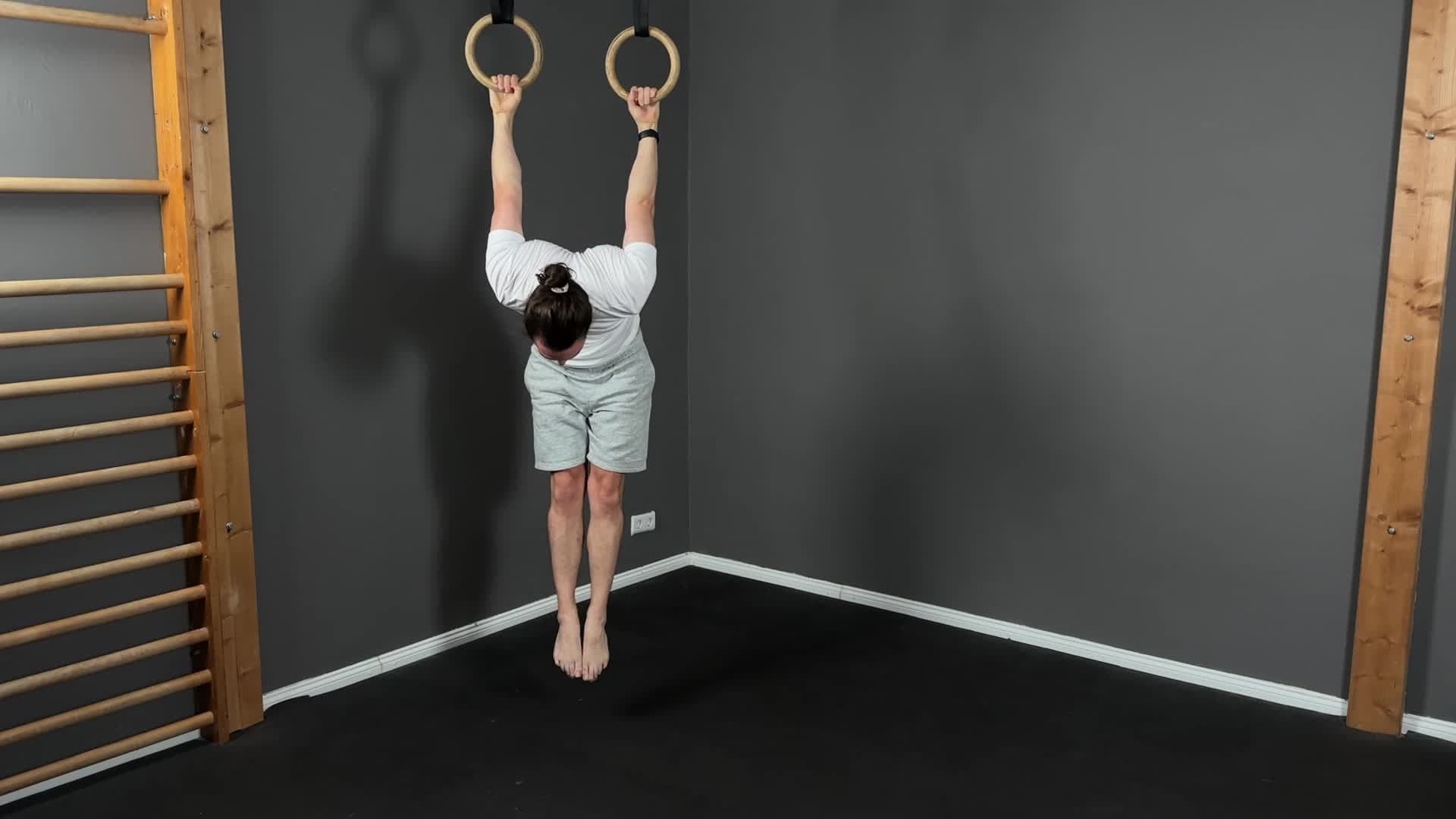
German Hang Stretches
Grip the bar or rings with a wide overhand grip. Slowly lower yourself into the deepest position
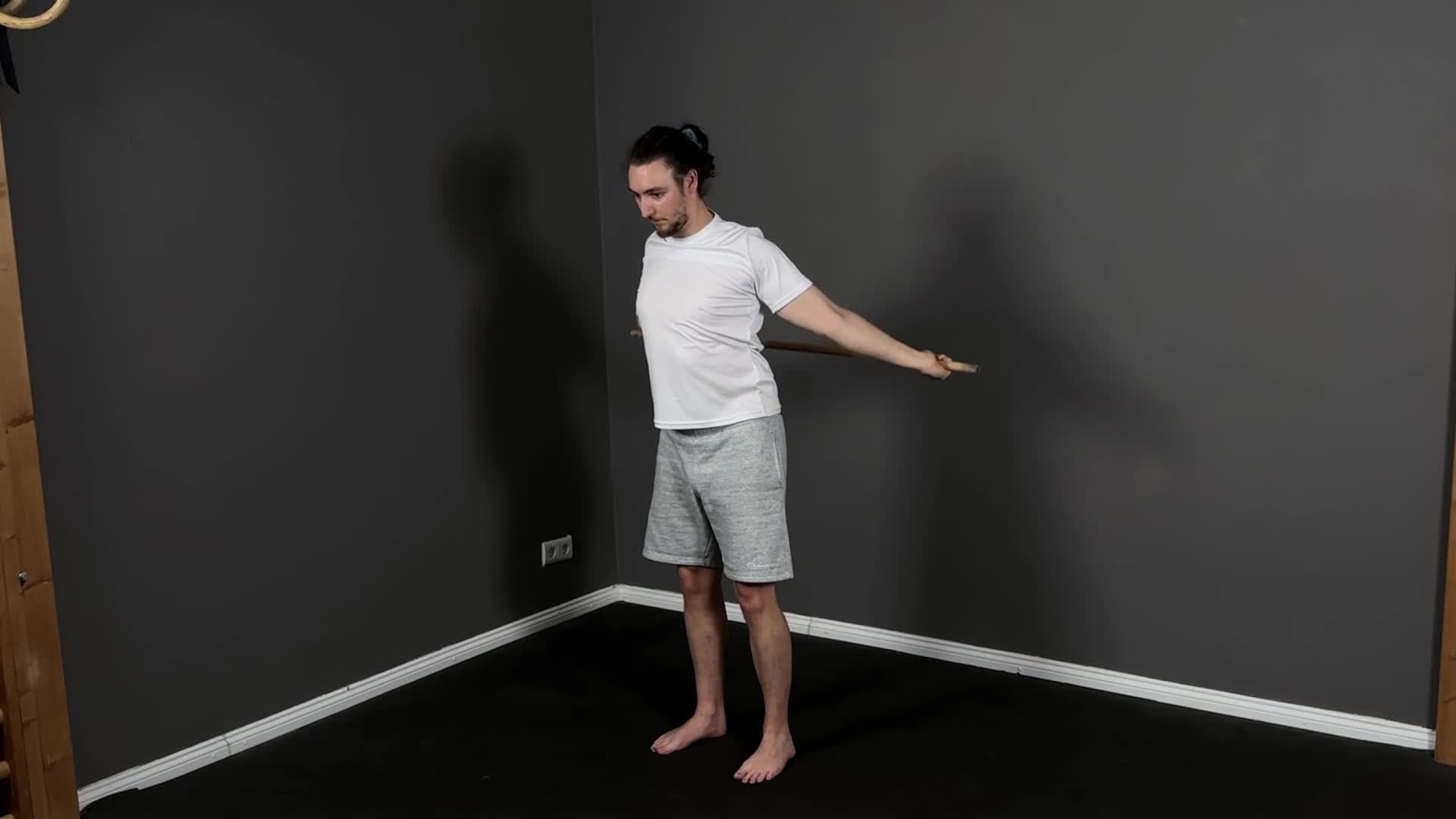
Shoulder Dislocates
Hold a stick, band, or rope with a wide grip (wider than shoulder width). Start with arms extended in front of your body
Shoulder dislocates pair well with the German Hang — they open up the shoulder extension range progressively without the full load of a hang. Run both as part of your warm-up from day one.
The Complete Back Lever Progression — Stage by Stage
Work through the following six stages in order. The temptation to skip stages — especially once you're past the tuck — is the most common reason athletes plateau at the straddle and stay there for months.
The target for each stage is a 30-second hold with a genuinely horizontal body before advancing. Build to this through accumulated sets: 4–5 sets of 4–10 second holds per session. Adding a set of back lever raises each session complements the static work by building the pulling strength that unlocks longer holds.
-
German Hang / Skin the Cat. Enter the back lever position from a hang and control the descent. This is an active prerequisite, not just a warm-up. Build to 3 sets of 20 seconds freely before progressing.
-
Tuck Back Lever. Knees pulled to your chest, body parallel to the ground. Most athletes spend 2–4 months here. Focus on keeping your torso completely horizontal — hips level with your shoulders.
-
Single Leg / Stag Back Lever. One leg extended, one tucked. This stage bridges the gap between tuck and straddle without the full symmetrical load of the next stage.
-
Straddle Back Lever. Both legs extended and spread wide. The reduced leverage makes this significantly more achievable than the full position. Expect 3–6 months here.
-
Half-Lay. Legs together but slightly bent. The final stage before the complete skill.
-
Full Back Lever. Both legs straight, body fully horizontal, arms locked out. The completed skill.
Back Lever Progressions
Depress and slightly protract the scapulae — push shoulders down and slightly forward. Maintain a hollow body with posterior pelvic tilt — do not let the lower back arch
Bar vs. Rings — How to Enter the Back Lever
How you get into the position matters as much as how you hold it. There are two main entry methods, and your choice of equipment changes the difficulty curve significantly.
Skin the Cat entry (recommended for beginners): Hang from the bar or rings, swing your legs through your arms, and control the descent into the back lever position. This is the cleanest entry and the one that teaches you exactly the range of motion you'll be working in.
Raised-legs entry: From a hang, pull your knees to your chest, then rotate your body backward into the tuck position. More controlled, but requires sharper body awareness to maintain position quality throughout the rotation.
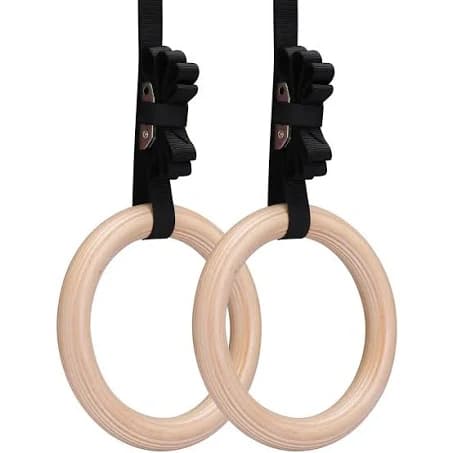
Bar vs. rings: Rings are the more beginner-friendly option. They rotate naturally as your wrists need them to, reducing forearm and wrist strain. On a straight bar, your wrists are fixed — manage this by widening your grip slightly or using an overgrip with palms facing back. Both pieces of equipment develop the same skill.
Critical form cue: Protract your shoulders — actively push away from the bar or rings throughout the hold. Athletes who retract their shoulder blades instead create instability that makes longer holds nearly impossible.
How to Program Your Back Lever Training
Train back lever three times per week with at least 48 hours between sessions. The elbow stress of this skill accumulates quickly, and tendon tissue needs that recovery window.
Two loaded sessions per week:
- 15-minute specific warm-up: wrists, biceps, chest, and shoulders
- 4–5 sets of your current progression × 4–10 second holds
- 1 set of back lever raises for dynamic pulling strength
- 2 minutes of rest between sets
One technique session per week:
- Entry mechanics practice: Skin the Cat, controlled descents
- Position quality work at comfortable hold durations
- No pushing for PRs — this session is about movement quality, not load
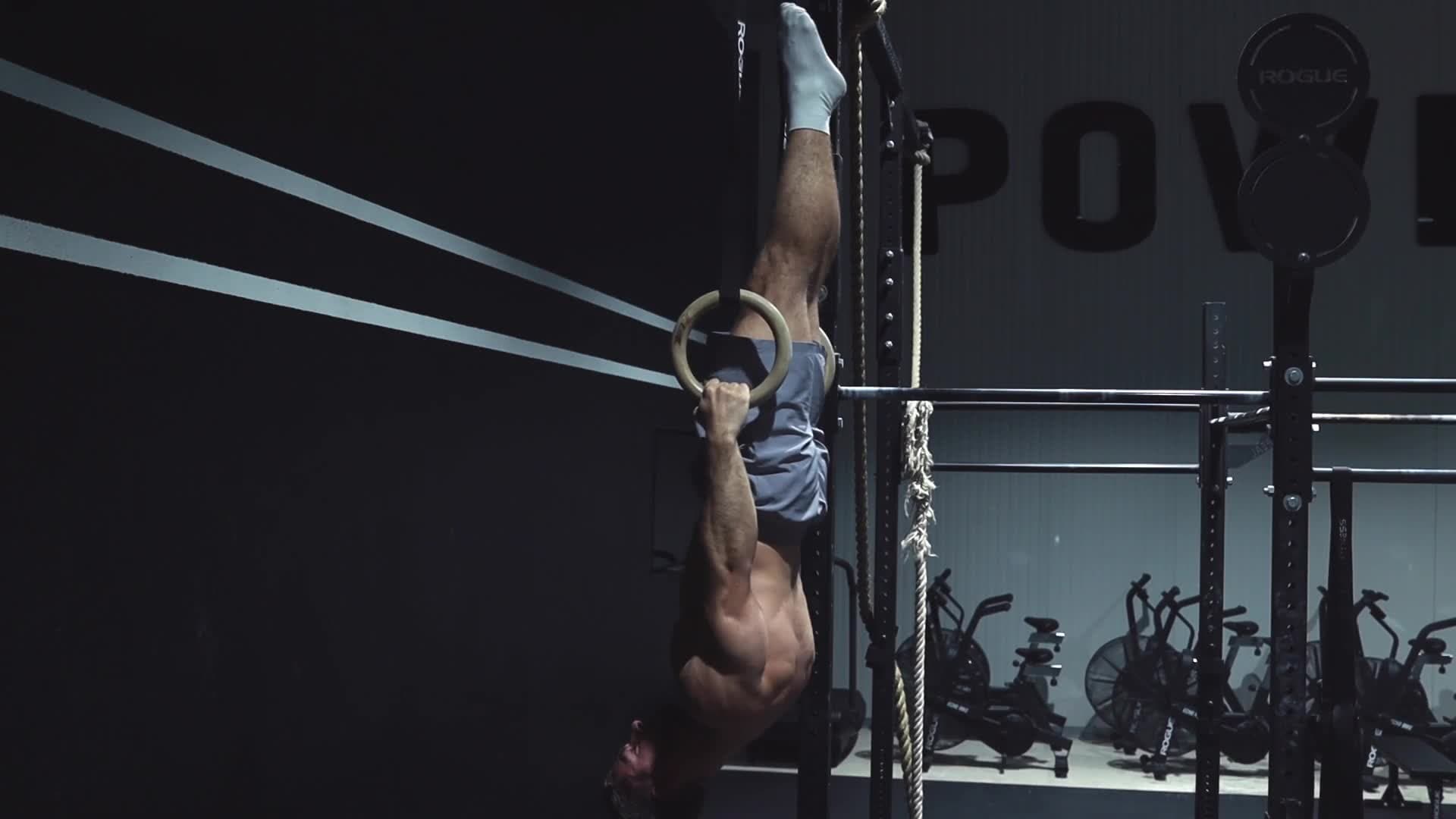
Back Lever Raises Progressions
Start from an inverted hang and lower through shoulder extension into the back lever position, then raise back with control. Keep elbows completely locked straight throughout — never bend them, even during the hardest part of the raise
Slot back lever work at the start of your pull day before fatigue builds. If you train a push/pull split, back lever pairs naturally with rows and pull-ups on the same session.
Common Back Lever Mistakes (and How to Fix Them)
Most back lever failures trace back to four specific mistakes. Each has a clear diagnosis and a direct fix.
Bent elbows. The most common error. Bending your arms shifts load from your shoulder structure onto your bicep tendons — exactly the tissue most vulnerable in this position. Fix: lock your elbows fully and squeeze your triceps actively into your lats to create a rigid arm structure.
Hips dropping / arched lower back. This means your core tension has broken down. The back lever requires the same whole-body rigidity as a hollow body hold — posterior pelvic tilt, glutes squeezed, zero arch. Practise hollow body holds until the position is automatic, then carry that tension directly into the back lever.
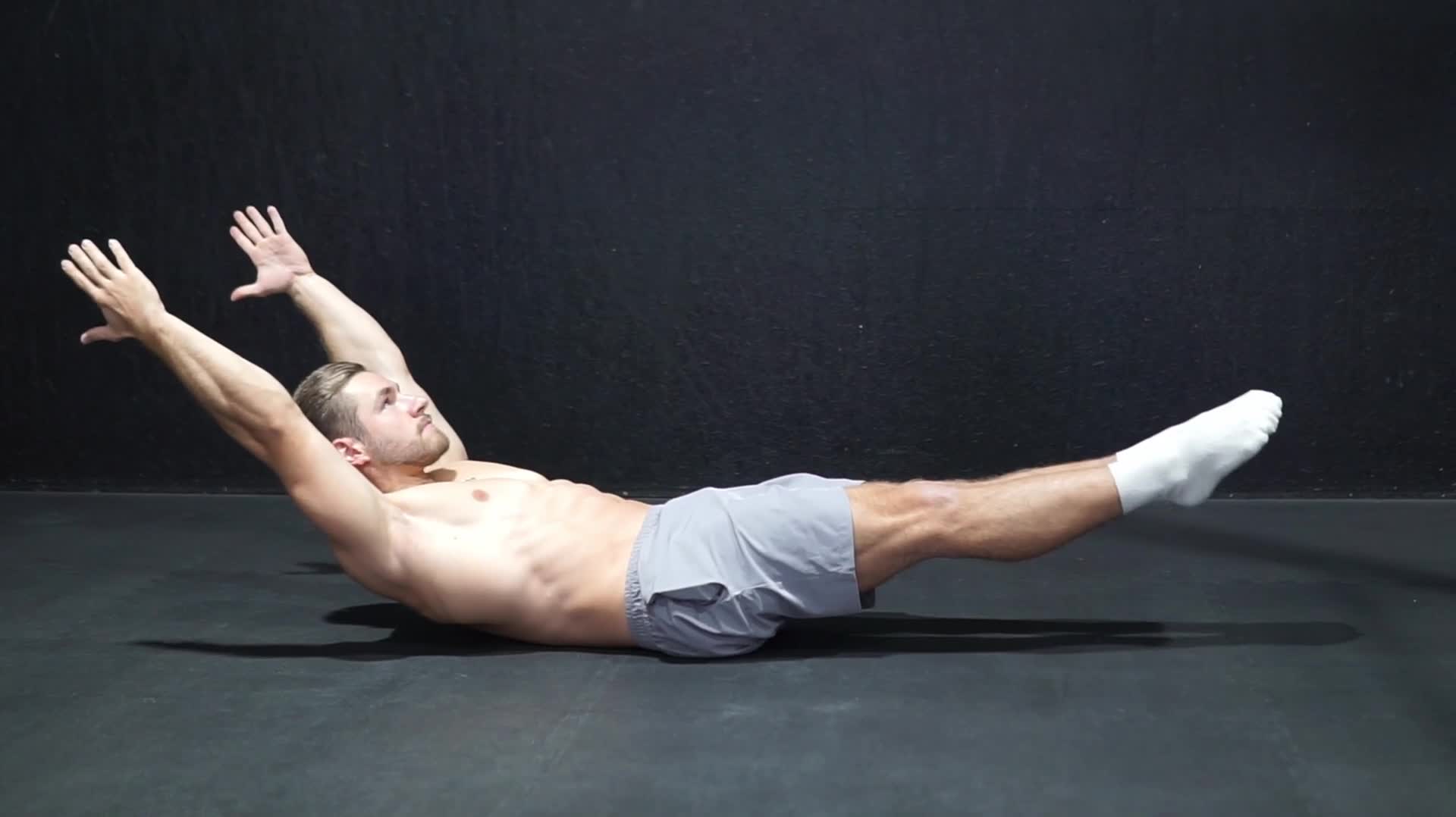
Hollow Body Progressions
Lie on your back with arms extended overhead and legs straight. Press your lower back firmly into the ground — there should be no gap between your back and the floor
Shoulders retracting instead of protracting. Pulling your shoulder blades together shortens your effective range and creates instability in the hold. Fix: actively push away from the bar or rings — think "reach through the floor" — and keep your shoulders depressed and protracted at all times.
Advancing too quickly. You feel strong enough to move on before hitting the 30-second mark. Tendon load accumulates faster than it adapts. Fix: respect the 30-second rule without exception. L-sit training builds the same anterior core tension the back lever demands and transfers directly to hold quality.
How Long Does It Take to Learn the Back Lever?
With consistent 3×/week training, realistic milestones look like this:
- Tuck back lever: 2–4 months
- Straddle back lever: 6–12 months
- Full back lever: 12–18+ months
These ranges assume you've already passed the prerequisites. If your shoulder mobility is limited, add 2–4 months to every stage. If your baseline strength is below 5 pull-ups, address that first — the back lever rewards existing pulling strength immediately.
The most common plateau is the straddle-to-half-lay transition. Athletes who stall here are typically blocked by one of three variables: insufficient pull strength (add more back lever raises), poor shoulder mobility (return to German Hang conditioning), or entry mechanics breaking down before the hold even begins. Identify the bottleneck and train that — don't just add more hold volume and hope for adaptation.
Frequently asked questions
Is the back lever harder than the front lever?
Generally, the back lever is easier. The shoulder extension position is more natural for most people, and it requires less pure straight-arm pulling strength than the front lever. Most athletes hit a tuck back lever before a tuck front lever, making it the recommended entry point into lever training.
What muscles does the back lever work?
The back lever primarily loads the anterior deltoids, pectorals, lats, and biceps as the main stabilizers. Your core and glutes must contract hard to maintain a rigid horizontal body line. The elbow tendons and wrist flexors also take significant load, which is why joint conditioning before training is essential.
Can I train the back lever without rings?
Yes — a straight pull-up bar works fine. Rings are more beginner-friendly because they rotate naturally to a comfortable wrist position. On a bar, manage wrist strain by widening your grip slightly or using an overgrip. Both develop the same skill; choose based on what you have access to.
How long should I hold each progression stage?
Build to a 30-second hold at your current progression before advancing. Start with 3–5 sets of 4–8 second holds per session, accumulating 20–30 total seconds of quality tension per workout. Once you hit 30 unbroken seconds with a solid horizontal position, move to the next stage.
Is the back lever dangerous for your elbows?
It can be if you skip the preparatory phase. The straight-arm position places significant load on the elbow tendons and bicep attachments. Spend 4–8 weeks conditioning with German Hang holds and Skin the Cat before progressing to static holds, and never skip the tuck stage regardless of your pull-up strength.
Follow a structured back lever program that adapts to your current level — try Simple Calisthenics free.
Start free trialFAQ
- Is the back lever harder than the front lever?
- Generally, the back lever is easier. The shoulder extension position is more natural for most people, and it requires less pure straight-arm pulling strength than the front lever. Most athletes hit a tuck back lever before a tuck front lever, making it the recommended entry point into lever training.
- What muscles does the back lever work?
- The back lever primarily loads the anterior deltoids, pectorals, lats, and biceps as the main stabilizers. Your core and glutes must contract hard to maintain a rigid horizontal body line. The elbow tendons and wrist flexors also take significant load, which is why joint conditioning before training is essential.
- Can I train the back lever without rings?
- Yes — a straight pull-up bar works fine. Rings are more beginner-friendly because they rotate naturally to a comfortable wrist position. On a bar, manage wrist strain by widening your grip slightly or using an overgrip. Both develop the same skill; choose based on what you have access to.
- How long should I hold each progression stage?
- Build to a 30-second hold at your current progression before advancing. Start with 3–5 sets of 4–8 second holds per session, accumulating 20–30 total seconds of quality tension per workout. Once you hit 30 unbroken seconds with a solid horizontal position, move to the next stage.
- Is the back lever dangerous for your elbows?
- It can be if you skip the preparatory phase. The straight-arm position places significant load on the elbow tendons and bicep attachments. Spend 4–8 weeks conditioning with German Hang holds and Skin the Cat before progressing to static holds, and never skip the tuck stage regardless of your pull-up strength.