What Is Calisthenics? Pros, Cons & Benefits Explained
An honest breakdown of calisthenics — what it is, why it works, where it falls short, and whether it's the right training system for your goals.
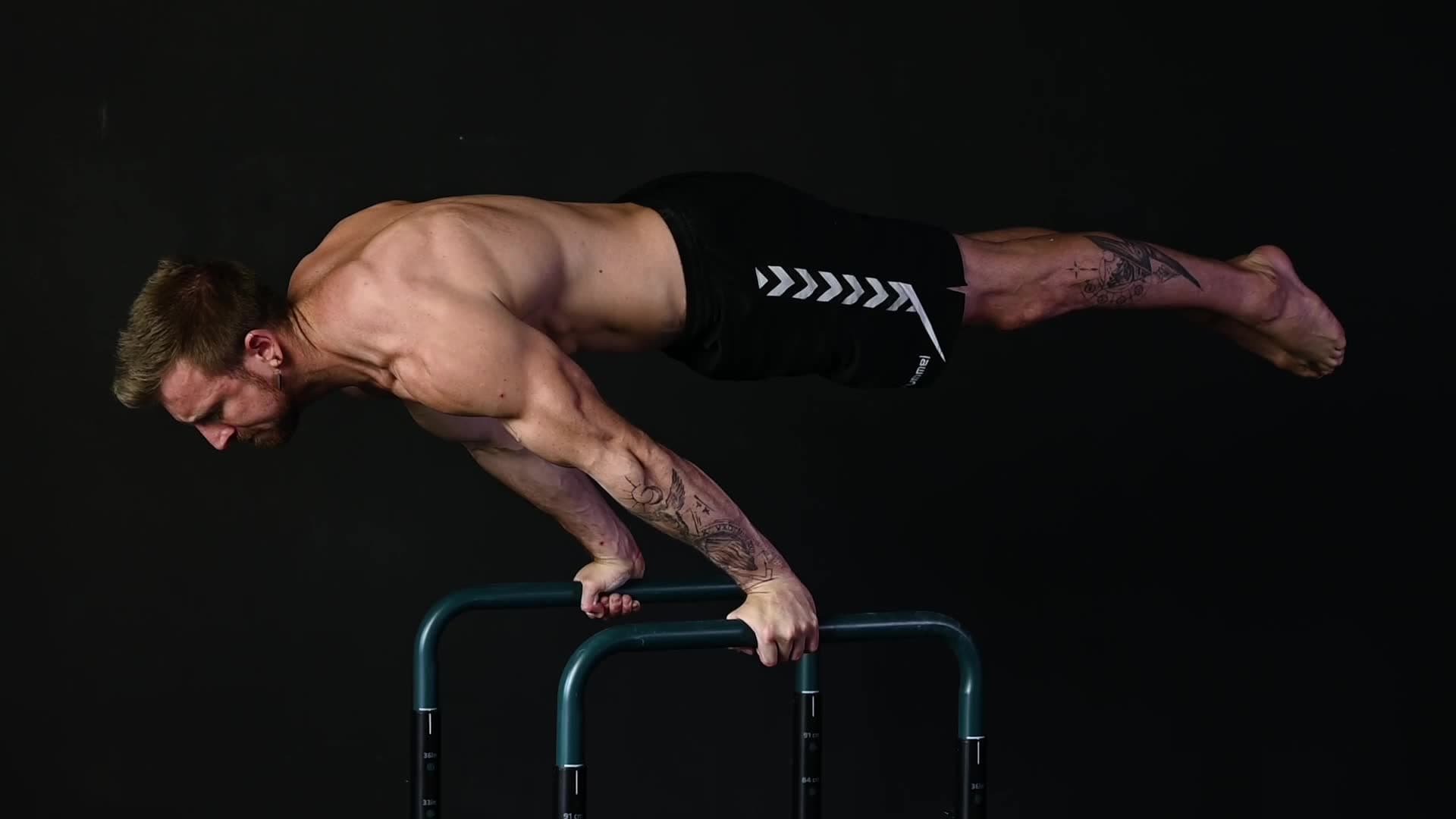
Calisthenics is one of the oldest forms of physical training — and one of the most consistently misunderstood.
Most people file it somewhere between "basic warm-up exercises" and "street workout tricks." Neither is accurate. Calisthenics is a complete training system — one that can take a complete beginner and, given time and structure, produce a planche, a handstand, or a one-arm pull-up.
The Simple Definition (And Why Most People Get It Wrong)
Calisthenics is strength training that uses your own bodyweight as the load. The word comes from the Greek kalos (beautiful) and sthenos (strength) — and the name reflects what the training actually produces: strength you can see and use.
What separates calisthenics from "just doing some bodyweight exercises" is progressive structure. The gym equivalent of calisthenics isn't a random circuit of air squats and sit-ups — it's a barbell program with a clear progression logic. Calisthenics works the same way. Every movement exists on a spectrum from beginner to elite. A push-up becomes a decline push-up becomes an archer push-up becomes a one-arm push-up. That ladder is the system.
It's also distinct from gymnastics. Gymnastics is a competitive sport with specific apparatus, judged skills, and years of dedicated specialization. Calisthenics borrows some gymnastics movements — handstands, levers, rings work — but applies them in a strength-focused, accessible framework. You don't need a gym, a coach, or competitive goals to train calisthenics effectively.
What Calisthenics Exercises Actually Look Like
Calisthenics training spans three broad tiers — and most people are surprised by how high the ceiling goes.
Foundation level covers the movements every beginner starts with: push-up variations for pressing strength, rows and chin-ups for pulling, dips for tricep and shoulder development, and hollow body holds or planks for core stability. These aren't exercises you graduate past — their progressions simply get harder.
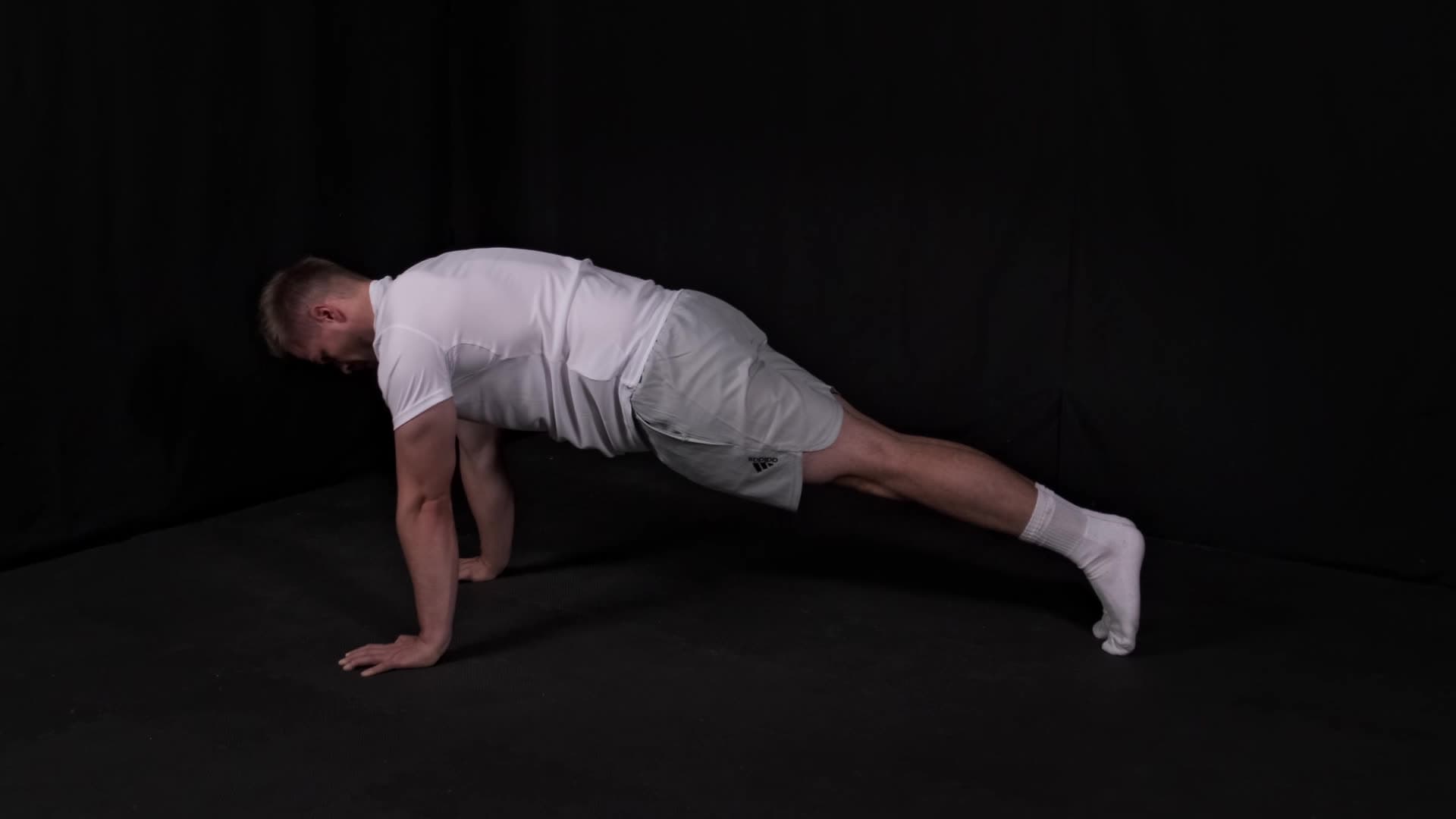
Push Up Progressions
Maintain a straight body line. Avoid the hips sinking down, or raising up too high
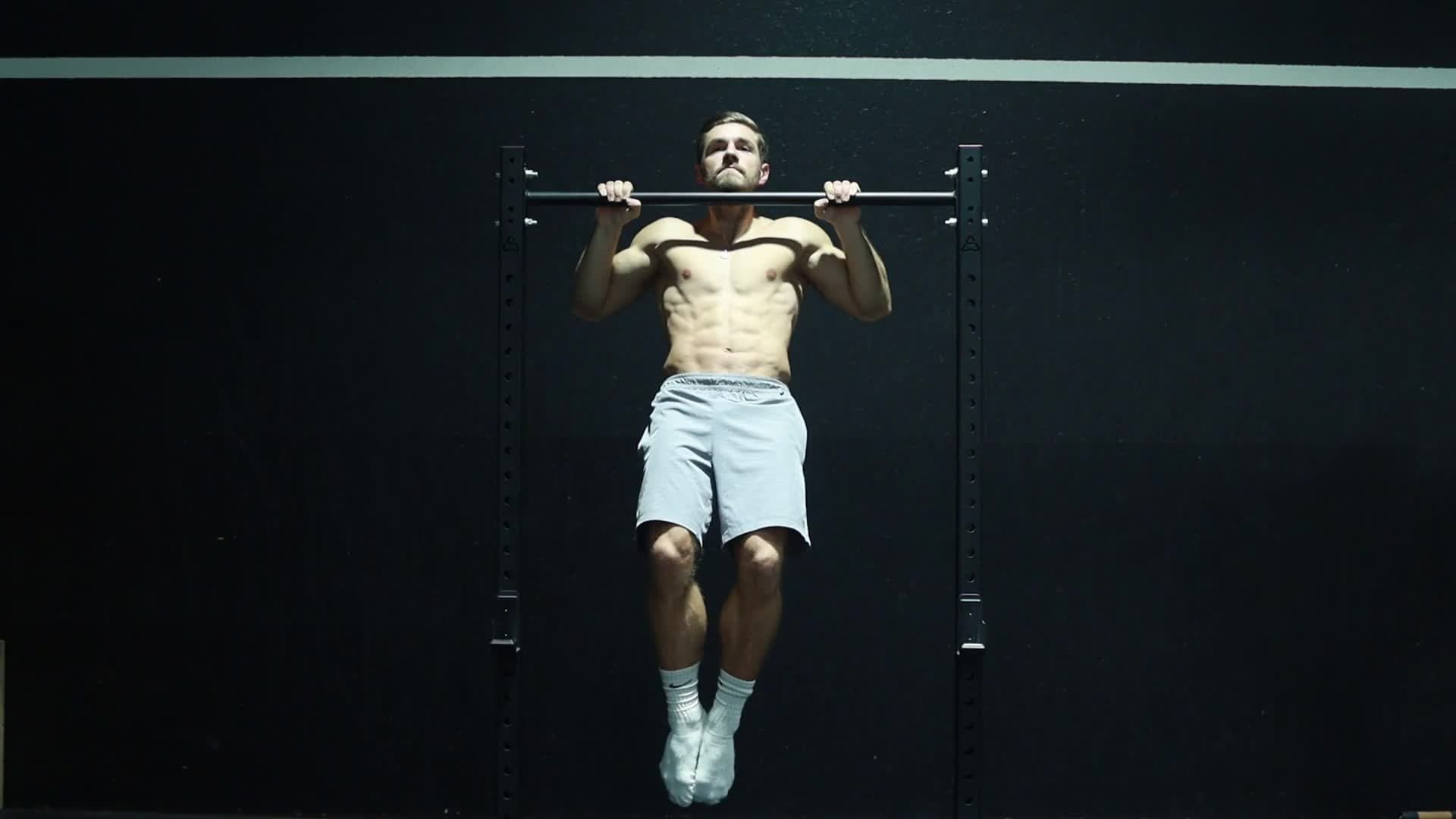
Pull Up Progressions
Start from a dead hang with arms fully extended — use a shoulder-width overhand (pronated) grip. Initiate by depressing and retracting the shoulder blades (scapular pull) before bending the arms
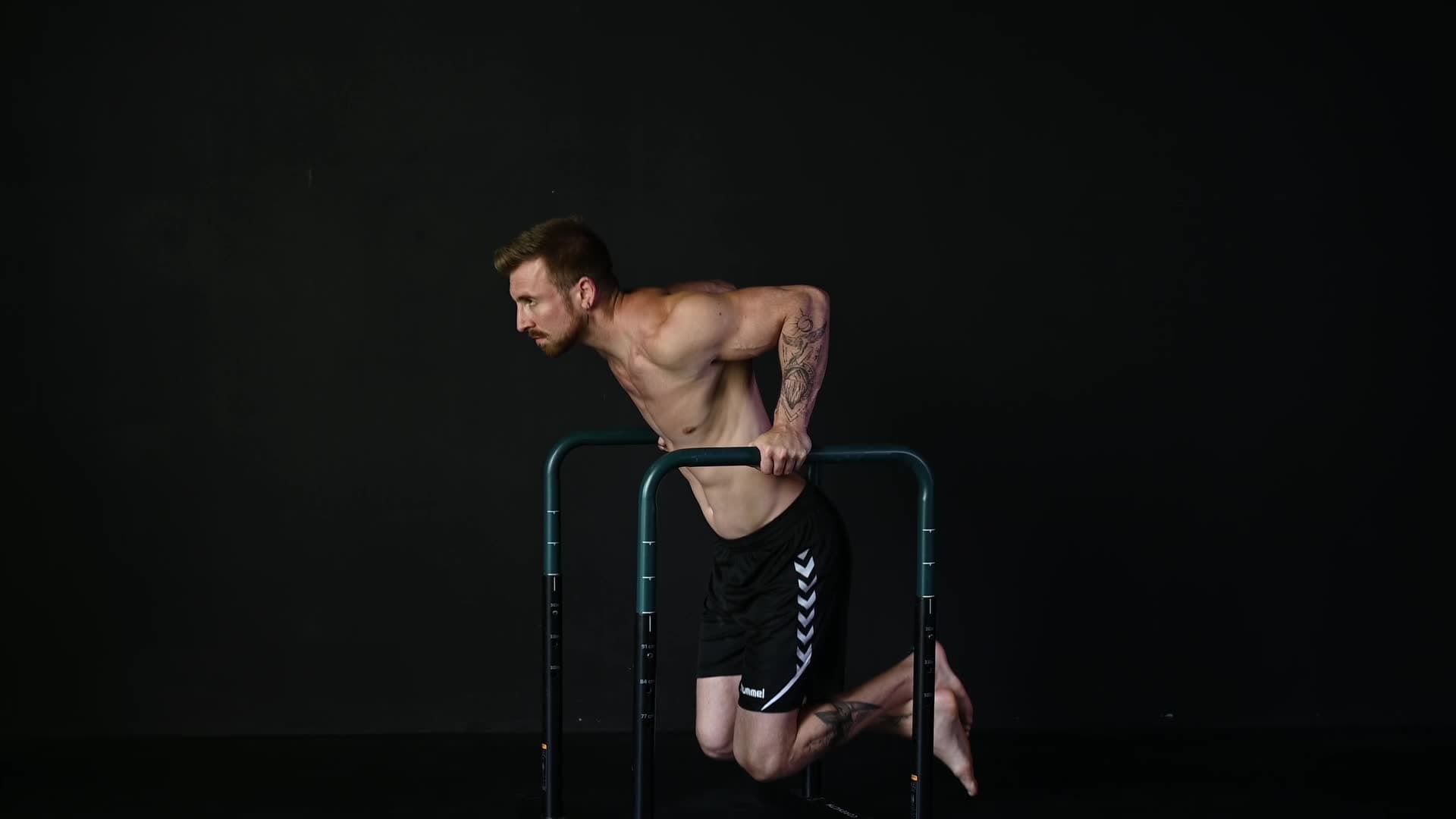
Dip Progressions
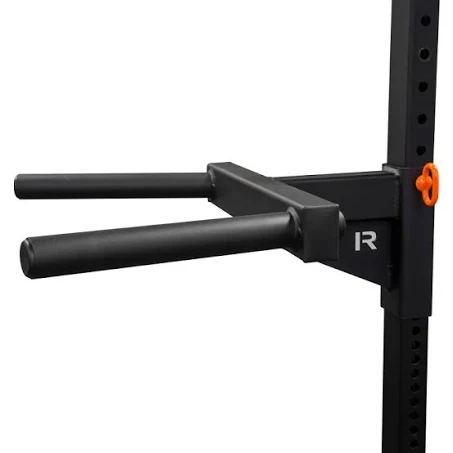
Move slowly with control. Get to 90° elbow angle or deeper, as long as you stay pain free
A beginner doing incline push-ups and an advanced athlete doing one-arm push-ups are both training the same fundamental movement pattern. The difficulty is different; the principle is the same.
Intermediate level introduces full pull-ups, L-sits, pistol squats, and ring work. This is where the skill element becomes central — movements require not just strength but coordination and body control.
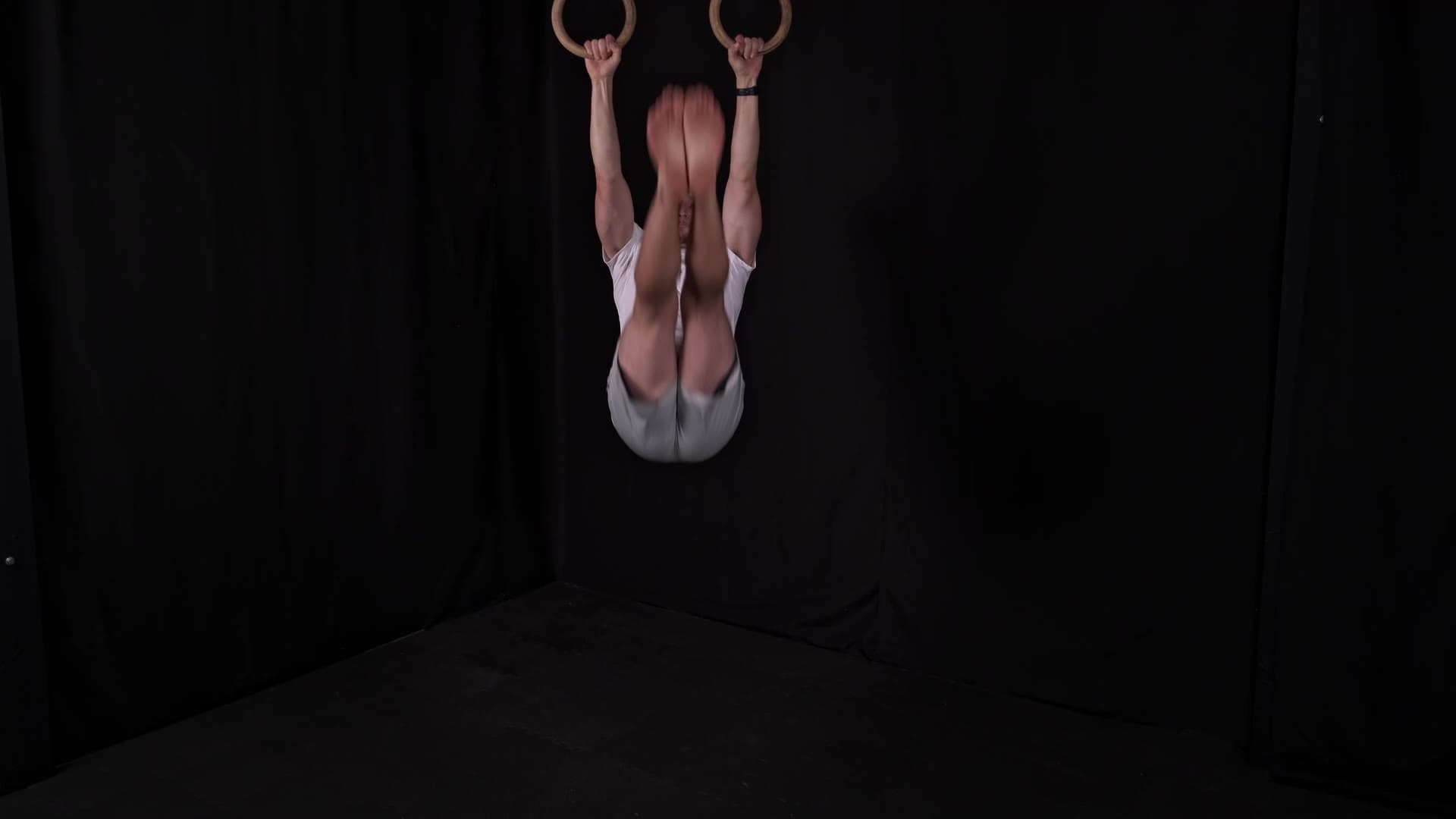
Hanging Leg Raise Progressions
Hang from a pull-up bar or rings with a shoulder-width overhand grip — arms fully extended, shoulders actively engaged (not passive hanging). Depress your shoulder blades by pulling them slightly down and back — this stabilizes your upper body and prevents excessive swinging
Advanced level includes muscle-ups, front levers, back levers, planches, and handstand push-ups. These are genuine athletic achievements that take months to years of structured training to reach — and they provide long-term goals that keep training purposeful well into an athlete's development.
The Real Benefits of Calisthenics (Backed by Research)
The case for calisthenics isn't just "it's free." The benefits are specific and well-supported by research.
Functional strength. Calisthenics is built on compound, multi-joint movements that mirror how your body actually works. Pushing, pulling, hinging, squatting, and rotating under load produces strength that transfers directly to real-world tasks and athletic performance. Harvard Health describes bodyweight training as building the kind of functional strength that supports everyday movement — not just isolated muscle size.
Joint health. Heavy barbell lifting places significant compressive and shear forces on joints, especially at high loads and without perfect form. Calisthenics loads joints through natural ranges of motion at a load your structure can almost always handle. Cleveland Clinic research supports bodyweight training as a lower-injury-risk approach that still produces measurable strength adaptations.
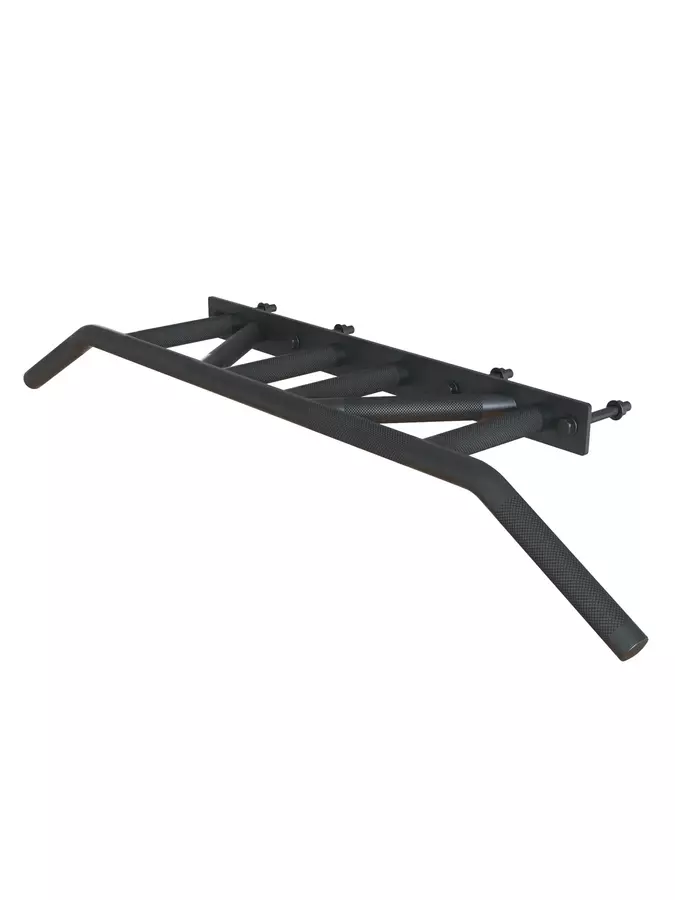
No barriers to entry. You need no gym membership, no equipment, and no specialized setting. A floor and a pull-up bar cover the full foundation. This means you can train consistently, anywhere, without scheduling constraints or recurring costs.
Body composition. Calisthenics combines strength training with high metabolic demand in a single session. Compound bodyweight movements burn more calories than isolated weight training while simultaneously building lean muscle. Research published in Progress in Nutrition found significant body composition improvements in athletes following an 8-week calisthenics protocol.
Long-term engagement. The skill progression element keeps calisthenics interesting indefinitely. There is always a harder skill to work toward — which means consistent training has a purpose beyond just maintaining fitness.
The Honest Cons of Calisthenics
Every training system has real limitations. Here is where calisthenics genuinely falls short.
Lower-body overload ceiling. Pistol squats and single-leg work are genuinely challenging, but if your primary goal is maximum lower-body mass, you will eventually exceed what your bodyweight can provide as stimulus. A 90kg athlete doing pistol squats can't replicate the training effect of that same athlete squatting 180kg. For most people this isn't a practical constraint — but if pure leg mass is the goal, weighted leg training should be added.
Muscle isolation is harder. Targeting specific muscles — biceps, rear delts, medial triceps — with the precision that cables or machines allow is difficult in calisthenics. This matters primarily for competitive bodybuilders. For people building a strong, athletic physique, the compound nature of calisthenics is a feature, not a limitation.
Skill moves have a steep learning curve. The muscle-up, the planche, and the handstand have technical demands that take time to develop. Beginners who attempt these moves before building foundational strength get frustrated and quit.
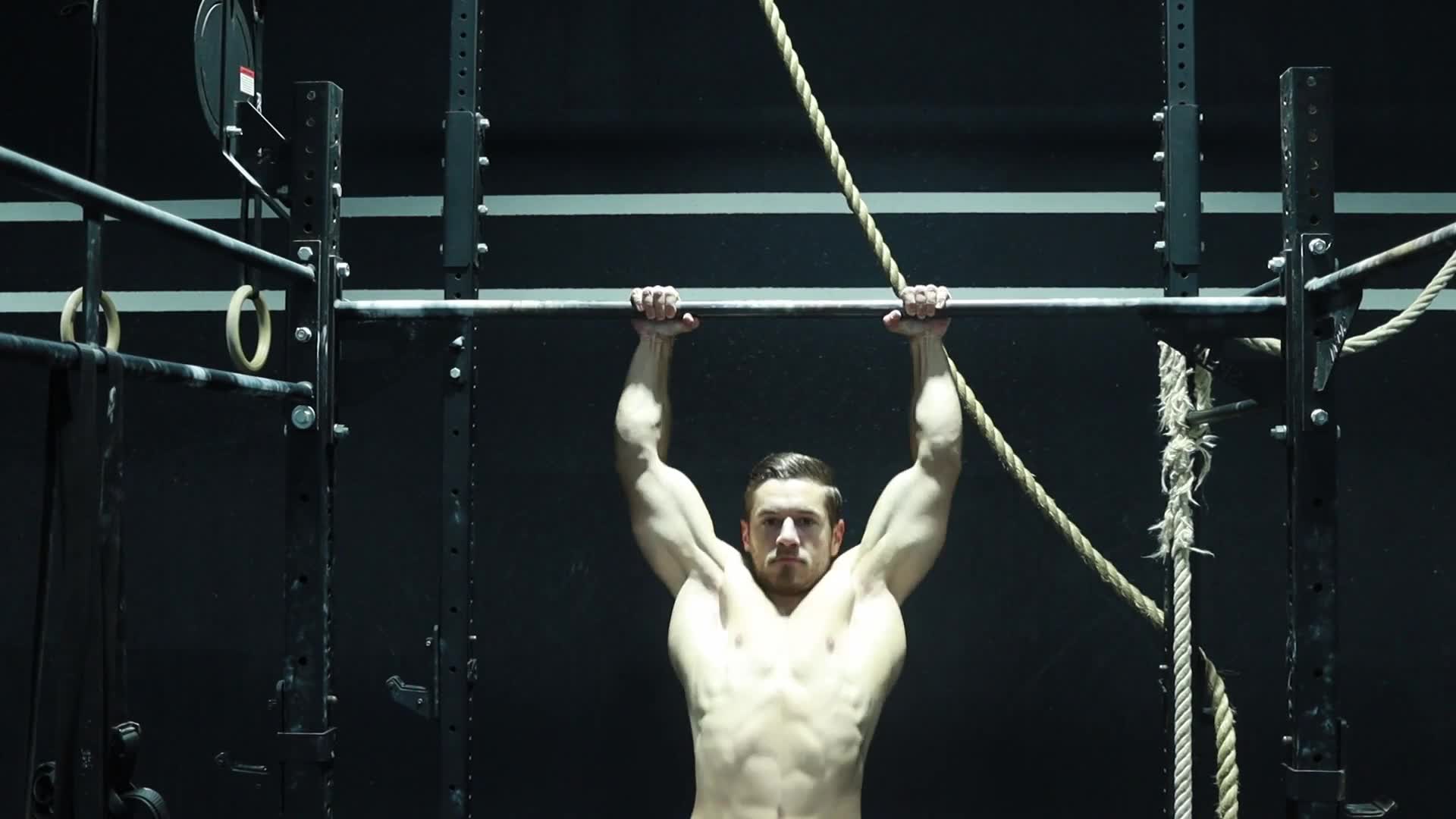
Muscle Up Progressions
Start by standing behind the bar. Jump to the bar such that you swing forward, into a slightly arched back position
Progressive overload requires structure. In the gym, adding 5kg to the bar is simple. In calisthenics, progression means moving to a harder variation — which requires either a structured program or enough self-knowledge to program the transitions yourself. This is solvable (a good app handles it automatically), but it's a genuine obstacle for unguided beginners.
Calisthenics vs. Weights — Which Should You Choose?
For most people, the question isn't really either/or — it's about what fits your goals. Here's a direct comparison.
| Goal | Calisthenics | Weights |
|---|---|---|
| Functional strength | ✓ Superior | ✓ Effective |
| Lean body composition | ✓ Superior | ✓ Effective |
| Joint health & longevity | ✓ Superior | Requires care |
| Portability / no equipment | ✓ Superior | ✗ Not possible |
| Skill development | ✓ Superior | ✗ Not applicable |
| Maximum lower-body mass | Limited | ✓ Superior |
| Muscle isolation | Limited | ✓ Superior |
| Overload simplicity | Requires program | ✓ Simpler |
Most serious calisthenics athletes add barbell or dumbbell leg work to fill the lower-body gap. Weights practitioners often add calisthenics for body control and movement quality. The systems complement each other — the choice of primary method comes down to which goals dominate.
Who Is Calisthenics Actually For?
Calisthenics works best for someone who wants functional strength and a lean physique, values the freedom to train anywhere, and finds skill progression motivating. These are not rare qualities — they describe most people who want to get fit without committing to a gym-based lifestyle.
It's an excellent fit if you're starting from zero. Every calisthenics exercise has a regression that meets you where you are. You don't need to get fit before starting — you start with what you can currently do and let the progressions carry you forward.
It's a less ideal primary system if your singular goal is maximum lower-body mass or if you're training for a specific strength sport requiring heavy barbell work. In those cases, calisthenics becomes a valuable supplement rather than the core program.
On timeline: expect meaningful strength gains in 4–6 weeks of consistent 3x-per-week training. Visible physique changes follow at 10–14 weeks. Skill milestones — your first pull-up, your first dip, your first muscle-up — arrive on a timeline that keeps training engaging long after initial novelty wears off.
Ready to start? The how to start calisthenics guide covers exactly what to do in your first sessions, or go straight to the beginner workout plan if you want to train today.
Frequently asked questions
What is the difference between calisthenics and bodyweight training?
The terms are often used interchangeably, but calisthenics implies a structured, progressive system — not just random bodyweight exercises. It follows a skill-based progression ladder from basic movements through to elite skills like the planche and one-arm pull-up, with deliberate overload built in.
Can you build muscle with calisthenics?
Yes. Research confirms bodyweight training builds lean muscle effectively when training is progressively challenging. The key is progressive difficulty — moving from easier to harder variations — rather than just adding reps to the same exercise indefinitely.
How long does it take to see results from calisthenics?
Most beginners notice meaningful strength increases within 4–6 weeks. Visible physique changes typically appear after 10–14 weeks of consistent training with appropriate nutrition. Skill milestones like a clean pull-up or first dip often come within 6–10 weeks for complete beginners.
Do I need any equipment to start calisthenics?
No — push-ups, squats, lunges, and hollow body holds require nothing. A pull-up bar unlocks the full upper-body pulling spectrum and is the single most valuable addition. Parallettes are useful later for dip and handstand work but are not needed at the start.
Is calisthenics better than the gym?
It depends on your goals. Calisthenics is superior for functional strength, joint health, portability, and skill development. Weights have advantages for lower-body mass and muscle isolation. For most people who want a strong, lean, capable body, calisthenics is a complete and highly effective training system.
Simple Calisthenics builds your personalized program from your current level — whether you can't do a single pull-up yet or you're chasing your first muscle up. Start your free trial and train with a plan that actually adapts to you.
Start free trialFAQ
- What is the difference between calisthenics and bodyweight training?
- The terms are often used interchangeably, but calisthenics implies a structured, progressive system — not just random bodyweight exercises. It follows a skill-based progression ladder from basic movements through to elite skills like the planche and one-arm pull-up, with deliberate overload built in.
- Can you build muscle with calisthenics?
- Yes. Research confirms bodyweight training builds lean muscle effectively when training is progressively challenging. The key is progressive difficulty — moving from easier to harder variations — rather than just adding reps to the same exercise indefinitely.
- How long does it take to see results from calisthenics?
- Most beginners notice meaningful strength increases within 4–6 weeks. Visible physique changes typically appear after 10–14 weeks of consistent training with appropriate nutrition. Skill milestones like a clean pull-up or first dip often come within 6–10 weeks for complete beginners.
- Do I need any equipment to start calisthenics?
- No — push-ups, squats, lunges, and hollow body holds require nothing. A pull-up bar unlocks the full upper-body pulling spectrum and is the single most valuable addition. Parallettes are useful later for dip and handstand work but are not needed at the start.
- Is calisthenics better than the gym?
- It depends on your goals. Calisthenics is superior for functional strength, joint health, portability, and skill development. Weights have advantages for lower-body mass and muscle isolation. For most people who want a strong, lean, capable body, calisthenics is a complete and highly effective training system.